Breathing easier this spring: Why air quality matters more than ever
Spring brings warmth, colour and pollen. Here's how clean air impacts your mood, focus and long-term health as allergy season kicks in.


Spring is finally here. The days are longer, the sun is brighter, and everything seems to be in bloom. But along with cherry blossoms and picnics comes the less romantic reality of sneezing fits, itchy eyes and that heavy, invisible presence in the air: pollen.
Where urban gardens meet dense city living, air quality can be a quiet but constant challenge. And while we often think of air pollution as a smoggy summer or winter problem, spring carries its own risks. Pollen, dust, mould spores and changing weather patterns all collide just as we’re cracking open windows and stepping outside more often.
Spring allergies and air quality
Many of us feel more energetic in spring. More light means more serotonin. More warmth means more movement. But if the air we breathe is filled with irritants, our immune system starts to fight invisible battles.
Spring allergies are not just a nuisance. For some, they lead to fatigue, disrupted sleep, difficulty concentrating and even mood swings. All this can happen even if you're not sniffling. Airborne allergens affect the body in subtle ways, taxing your nervous and immune systems.
Indoor air quality in spring
According to the U.S. Environmental Protection Agency (EPA), we spend up to 90 percent of our time indoors. Yet indoor air can be up to five times more polluted than outdoor air, especially during seasonal transitions like spring. Pollen, pet dander, dust mites, VOCs from cleaning products and mould spores can build up quickly. Poor ventilation only compounds the problem.
Dust clings to soft furnishings. Scented sprays release chemicals. Ventilation systems that haven't been serviced since winter redistribute it all. It’s easy to forget that what feels like fresh air may actually be a swirl of airborne stressors.
Opening windows can help, but it also invites more pollen and humidity inside. Unless you’re filtering the air you breathe, the body stays on high alert, responding to invisible threats that quietly wear down energy, sleep and mood.
How clean air affects energy, focus and sleep
Clean air is not a luxury. It’s foundational for clear thinking, restorative sleep and immune resilience. According to Harvard’s COGfx study, workers in environments with lower CO₂ and fewer pollutants scored significantly higher on cognitive function tests. The EPA also links indoor air pollution to fatigue, respiratory issues and overall reduced well-being.
The right air quality supports your biology, especially in a season when your system is recalibrating. Just like you pay attention to hydration, nutrition and light exposure, the air you breathe belongs on that list too.
Simple ways to improve air quality at home
You don’t need a total home overhaul. Small shifts make a difference:
- Vacuum with HEPA filters: Especially for rugs, curtains and upholstery.
- Use low-toxic cleaning products: Vinegar, baking soda and essential oils
- Open windows strategically: After rain or early morning, when pollen levels dip.
- Add houseplants carefully: Some purify air, others trigger allergies.
- Clean vents and filters: Especially after winter.
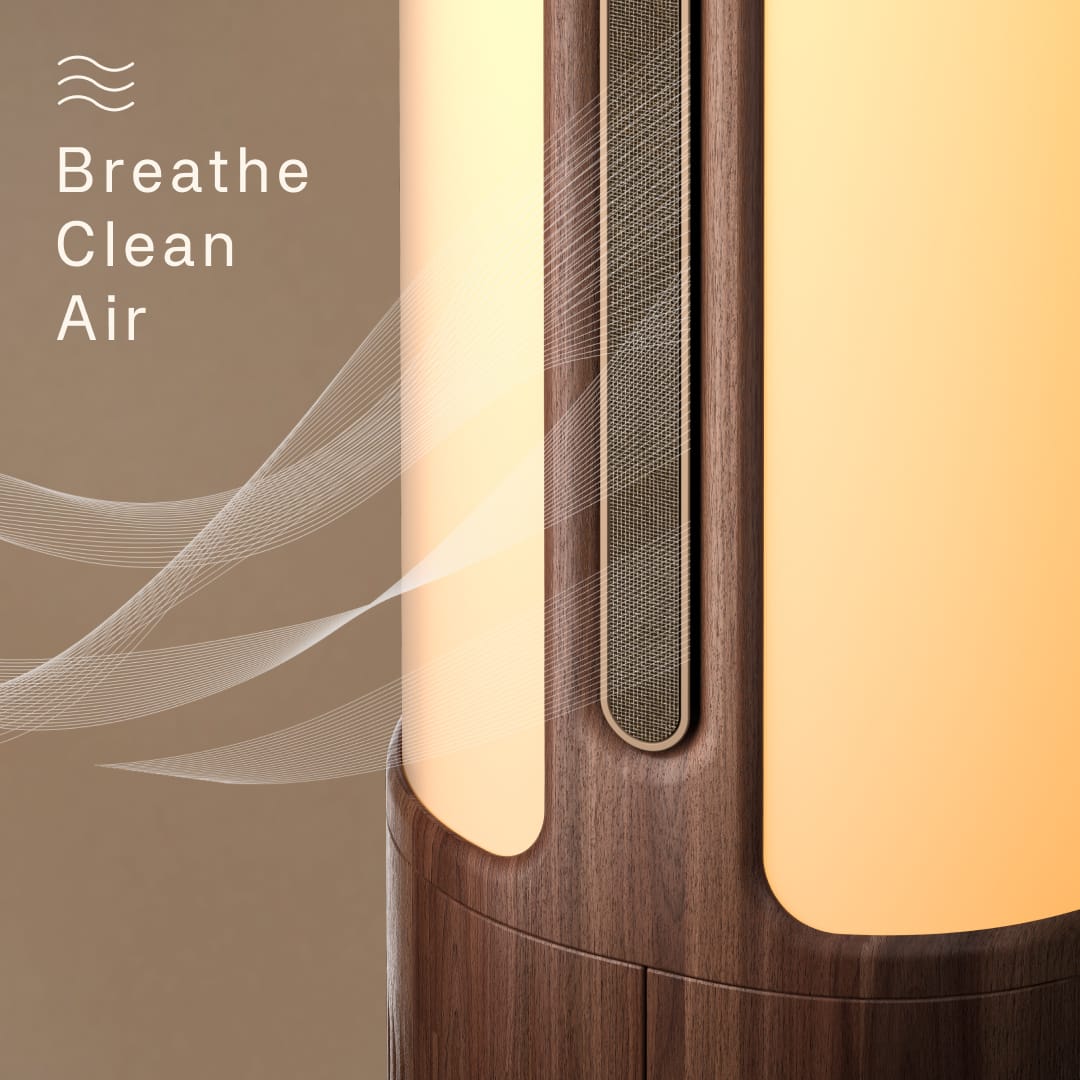
Or invest in a device that handles all of this at once. Our ATMOS Lamp combines full-spectrum and red-light therapy with powerful HEPA air purification. It removes 99.95 percent of air pollutants, reduces allergy symptoms and keeps your environment aligned with your body’s rhythms.
Whether in your bedroom or shared space, it helps you breathe cleaner, sleep deeper and think more clearly.
The hidden risk of scented candles
Scented candles are everywhere this time of year. They evoke calm, signal the shift in seasons and make a home feel inviting. But many scented candles release harmful compounds like formaldehyde, benzene and toluene when burned. These volatile organic compounds can irritate the lungs, trigger allergies and quietly erode indoor air quality over time.
The same goes for incense. Though often viewed as natural or cleansing, incense smoke produces even more particulate matter than candles and has been linked to respiratory irritation and long-term exposure risks.
A study in Environmental Health Perspectives found that incense smoke contains many of the same harmful compounds as cigarette smoke, reinforcing the need for good ventilation and purification.
But it’s not all bad news.
ATMOS captures and then neutralises airborne pollutants so that you can continue to enjoy your favourite scents without compromising your air quality or your long-term wellbeing.
Why spring is the time to prioritise air quality
There’s something primal about clean air. It soothes the nervous system, sharpens awareness and lets the body reset.
As we move into spring, we’re not just changing wardrobes. We’re adjusting our internal settings. Air quality is part of that recalibration and optimisation.
Let’s welcome the light and the clarity that comes with cleaner air.